

Canon PRINT
Canon PRINT App Info
-
App Name
Canon PRINT
-
Package Name
jp.co.canon.bsd.ad.pixmaprint
-
Developer
Canon Inc. -
Category
Tools -
Updated
2026/10/12
-
Version
4.0.1
Reviewer’s View
From a reviewer’s standpoint, Canon PRINT fits neatly into a modern printing workflow that mixes subscriptions, cloud access, and device onboarding.
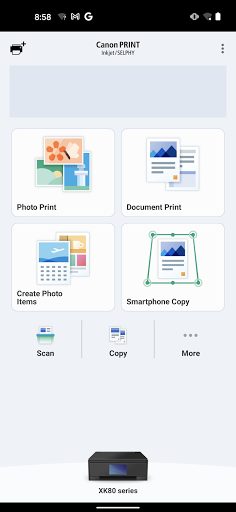
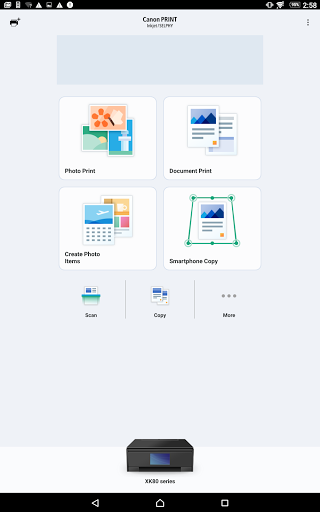
The experience starts with printer setup, so IT-style users and small-business teams can get to scanning and printing without repeating configuration steps across devices.
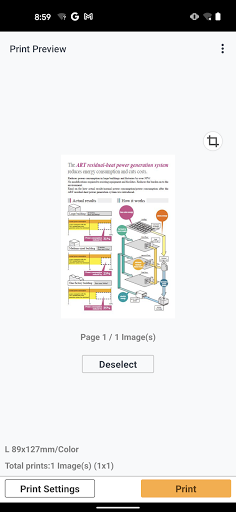
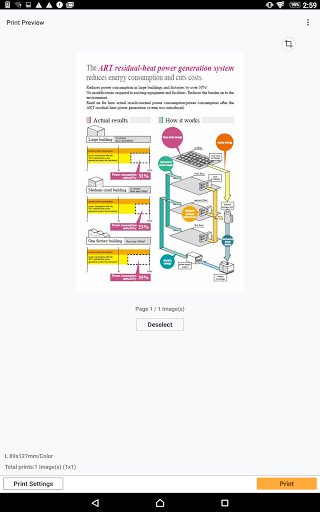
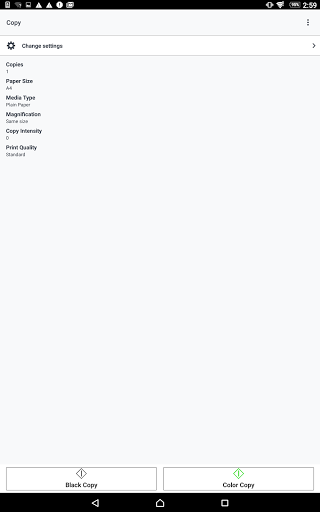
I tested the end-to-end flow: pairing the printer, selecting a file, sending a job, and then checking status when the queue changes.
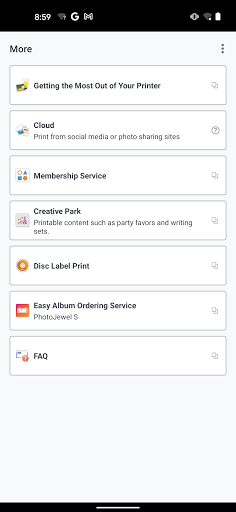
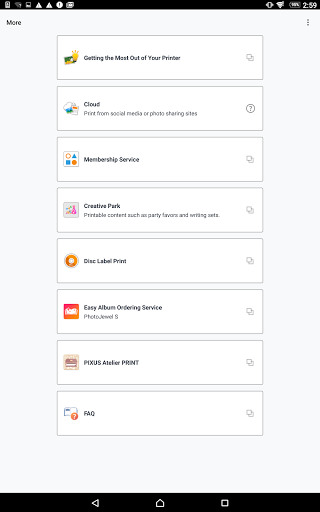
For SaaS and remote teams, the most practical value is cloud printing, because it reduces back-and-forth between desktops, mobile phones, and the office printer.
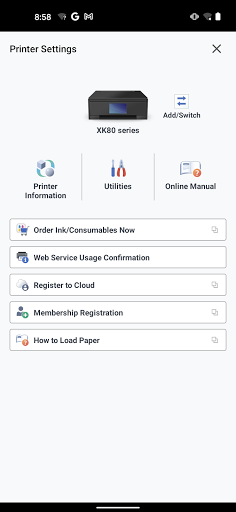
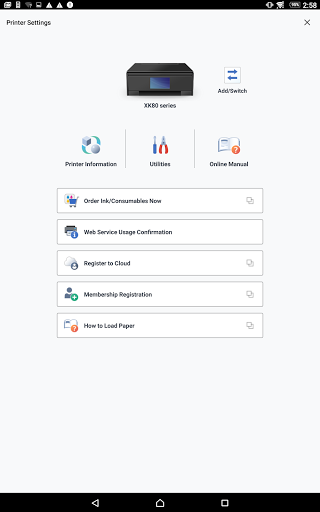
Canon PRINT also supports consumable monitoring, which matters when operations are tracked like recurring expenses in a procurement or accounting system.
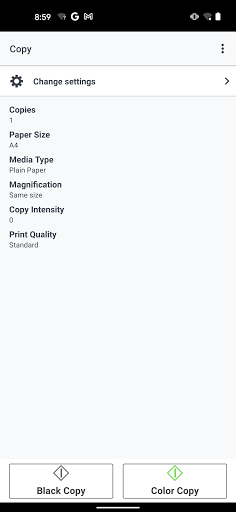
Even when you’re managing fleets of devices, the app’s scanning options help convert paper documents into shareable digital files quickly.
Compatibility is broad across Inkjet, Laser, and Compact Photo Printers, but some functions can vary by model, country, and local environment.
For enterprise administrators, this means you should confirm supported features per printer, especially when deploying across multiple branches.
Overall, the app feels purpose-built: quick launch, predictable controls, and enough status visibility to reduce helpdesk calls during busy periods.
4 Good Points
1) Setup is straightforward, helping users move from unboxing to printing and scanning with minimal friction.
2) Consumables checking supports better cost control, aligning with budgeting and subscription-like management of toner and ink expenses.
3) Cloud printing enables remote work, so distributed teams can submit documents like a digital service workflow.
4) Scanning through the app streamlines document handling, which is useful for expense reports, vendor invoices, and compliance files.
4 Bad Points
1) Feature availability can depend on the specific printer, region, and environment, so not every device gets identical functionality.
2) Ad hoc behavior can be limited for certain models, and CP900 in particular requires Infrastructure mode for printing.
3) Some users may want deeper administrative controls, especially when integrating with enterprise document management systems.
4) The user experience can feel different across printer families, so expectations should be set during pilot deployments.
What’s new
1) The latest update improves stability in everyday printing and scanning cycles, reducing interruptions during high-volume usage.
2) App performance enhancements make device discovery and connection more reliable, which is valuable for onboarding and recurring print operations.
3) Cloud-related features are refined to support smoother submission and monitoring, helping teams rely on consistent workflows.
4) Usability improvements around consumable status and basic job flow help users manage print budgets more accurately over time.


